The role of computer skills in the formation of modern translator's professional competence
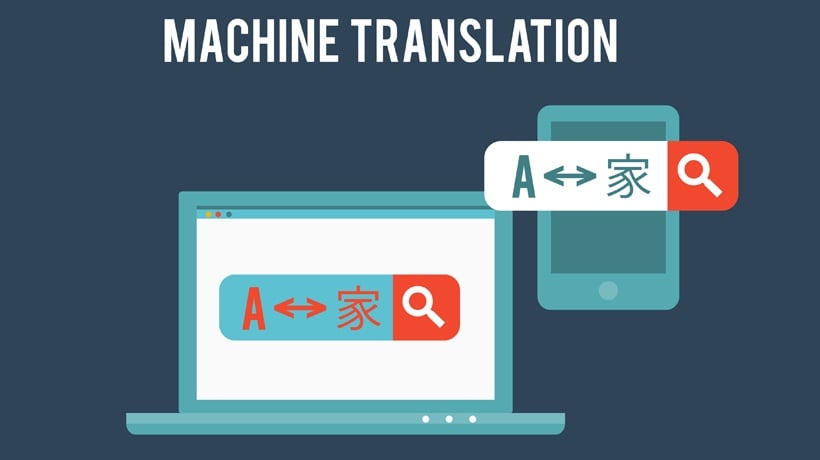 Translation tools:
Machine translation (MT) --> Substitutes words from a language into another, but cannot produce good translations of a complete text.
Computer assisted translation (CAT) --> It's a form of language translation in which a human translator uses a computer software to support and facilitate the translation process.
Terminology management systems: TMS allows translators to create and maintain a personal database of terminology, wich is rederred to as a termbase.
Benefits: 1) enhancing and encouraging terminological consistency and thus improve quality of translated texts, 2) prevent translators from undertaking the same terminological searches, 3) translation process is an accelerated due to refuse of previously translated terminology.
Localization software:
- localization involves making the product (e.g. translation project) linguistically and culturally appropriate for a target country.
- localization stands for combination of language and technology in order to produce a product that can cross both cultural and linguistic barriers.
Barriers to teaching computer skills to future translators:
- Professional translators need humanistic and technological profile, students graduating from translation specializations are deficient in ICT skills and their chances to prosper on the job market decrease considerably.
- It seems that high requirements posed by the job market to professional translators require institutions of higher education to train students of translation in the use of technologies and develop their skills in handling information and communication technologies.
Comentarios
Publicar un comentario